Operating a mobile concrete mixer safely and efficiently is crucial for successful construction projects. These mixers help deliver high-quality concrete wherever it's needed. Let’s explore the key steps to ensure safe and efficient operation.
We will focus on mobile, self-loading, and portable concrete mixers. Understanding these steps helps prevent accidents and improves productivity. Let’s begin with the basics.
Pre-Operation Safety Checks
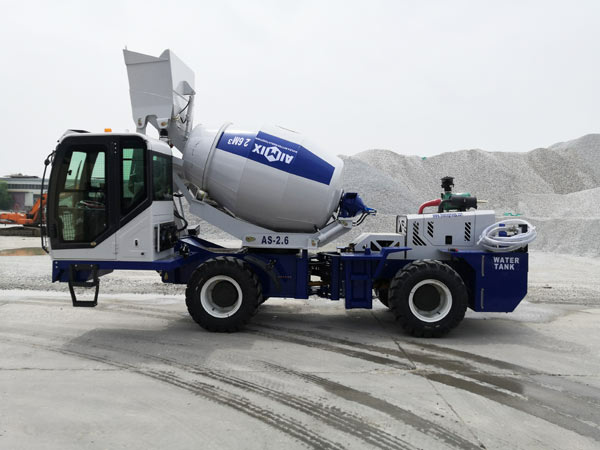
Before operating any mobile cement mixer for sale, conduct safety checks. Inspect the mixer for visible damage or wear. Check the tires, brakes, and lights for proper function.
Ensure the engine oil and coolant levels are adequate. Low levels can cause engine damage or overheating. Verify all safety guards and covers are in place.
Check the drum for any obstructions or residue. A clean drum ensures proper mixing and prevents contamination. Confirm all controls and gauges are functioning correctly.
Review the operator’s manual for specific safety guidelines. Each mixer model may have unique requirements. Understanding these details helps prevent misuse.
Safe Setup and Positioning
Position the mobile concrete mixer on stable, level ground. Uneven surfaces can cause tipping or instability. Ensure the area has enough space for safe operation and movement.
For self-loading mixer concrete, ensure the loading area is clear. Remove any obstacles that could interfere with the loading process. This prevents accidents and material spills.
Place the mixer close to the work area. Minimize the distance for transporting concrete. This reduces handling time and maintains concrete quality.
Secure the mixer properly before operation. Use wheel chocks if on a slope. This prevents accidental movement during operation.
Efficient Operation Techniques
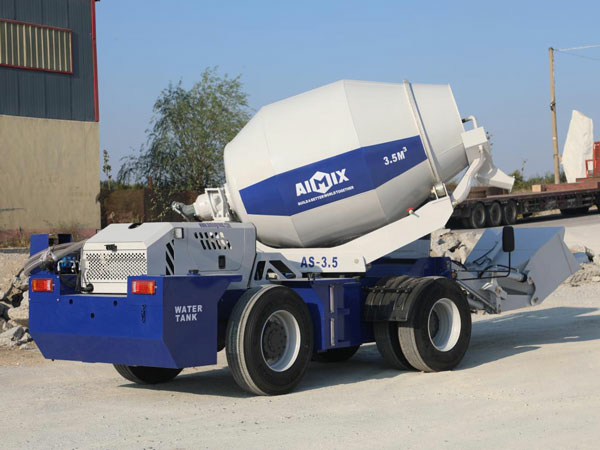
Start the engine and let it warm up before mixing. This ensures smooth operation and prevents engine strain. Follow the manufacturer’s recommended warm-up procedures.
Load materials in the correct order and proportions. For self-loading mixers, ensure the correct settings for material intake. Proper loading ensures consistent concrete quality.
Monitor the mixing process closely. Adjust speed and settings as needed. Consistent mixing produces high-quality concrete for your project.
Keep the mixing area clean and organized. Remove spilled materials promptly. This prevents accidents and maintains a safe work environment.
Maintenance and Care
Regular maintenance extends the mixer’s lifespan. Clean the drum and mixing blades after each use. This prevents material buildup and ensures efficient mixing.
Inspect and replace worn parts promptly. Worn blades or belts can affect mixing quality. Regular inspections prevent unexpected breakdowns.
Check and tighten all bolts and connections. Loose parts can cause vibrations or malfunctions. Secure connections ensure safe operation.
Store the mixer properly when not in use. Cover it to protect from weather elements. Proper storage maintains the mixer’s condition and readiness.
Training and Operator Responsibility
Proper training is essential for safe operation. Ensure all operators understand the mixer’s controls and safety features. Training reduces the risk of accidents and misuse.
Operators should wear appropriate safety gear. Helmets, gloves, and safety boots protect against injuries. Safety gear is a must for all mixing tasks.
Encourage operators to follow all safety guidelines. Consistent adherence to procedures ensures a safe work environment. Safety is everyone’s responsibility on the job site.
Conclusion: Safe and Efficient Mixing
Operating a mobile concrete mixer safely and efficiently requires attention to detail. From pre-operation checks to proper maintenance, each step matters. Following these guidelines ensures a productive and safe work environment.
Whether using a self-loading, mobile, or portable concrete mixer, safety and efficiency are key. Proper operation leads to high-quality concrete and successful projects. Always prioritize safety and follow best practices for the best results.

請先 登入 以發表留言。