Ready-mix and batch plants need steady output and smooth workflow. A large concrete mixer meets these needs well. It mixes more material per batch, saving time and effort. Smaller mixers slow down work, especially during big projects. Here, we explain why large mixers are vital for these plants. We also link them to tools like self loading concrete mixer and mobile concrete mixer. Knowing their role helps you pick the right equipment.
Boosts Production Speed and Volume
Large concrete mixers hold more material than standard ones. They produce bigger batches in each cycle. This cuts the number of mixing rounds needed for large orders. As a result, plants finish jobs faster.
Also, ready-mix plants serve many clients daily. Higher volume keeps up with tight delivery schedules. Using a large concrete mixer avoids delays when demand rises. Faster output supports growth and reliable service.
Cuts Labor and Operating Costs
One large concrete mixer does the work of several small ones. Fewer operators are needed to run it. This lowers labor cost over time. Also, energy use per cubic meter of concrete drops.
When you spend less on power and staff, profit margins improve. Projects stay within budget. A plant can invest savings into better materials or fleet upgrades. So, size brings efficiency, not just capacity.
Improves Consistency in Mix Quality
Large concrete mixers blend ingredients evenly in one go. They reduce variations between batches. Consistent quality matters for strong, durable concrete. Builders trust ready-mix from plants that deliver uniform results.
Uneven mixes cause weak spots and rework. Large mixers limit this risk. They give plants a reputation for reliability. Clients then prefer them for repeat business.
Fits Well With Plant Layout and Automation
Modern batch plants use automated systems to control mixing times and ratios. A large concrete mixer works smoothly with these setups. Its size matches silo capacities and conveyor speeds. This creates a balanced flow from raw material to finished mix.
Automation saves manual checks and errors. It also lets plants monitor performance in real time. Large mixers become a core part of an efficient system, not a bottleneck.

Supports High Demand From Big Projects
Big construction jobs need huge volumes of concrete fast. Think highways, bridges, and high-rise buildings. A large concrete mixer handles these peaks without strain. It prevents plants from turning down work due to capacity limits.
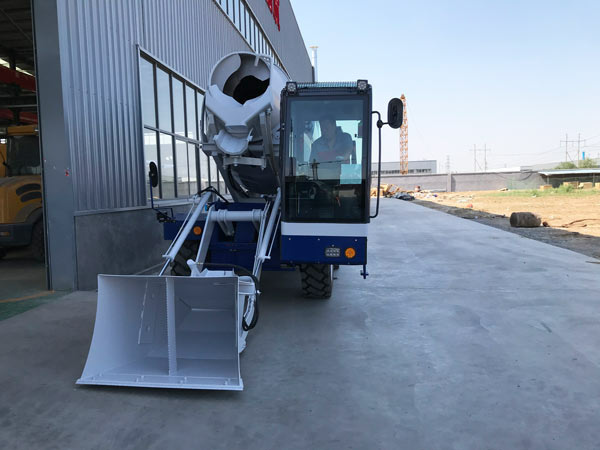
Also, combining it with a self loading concrete mixer extends reach. The self loading type feeds raw materials to the plant or job site. Together, they cover both central mixing and remote needs.
Offers Flexibility When Paired With Mobile Units
Sometimes, concrete must be made off-site or on uneven ground. That is where a mobile concrete mixer helps. It moves to the location and mixes on demand. Yet, its smaller size suits spot jobs, not mass production.
Plants still need a large concrete mixer for main output. Mobile units support special tasks, like remote pours. This mix of fixed large mixers and mobile ones covers more project types.
Reduces Delivery Lead Times
When plants mix more concrete per hour, they load trucks quicker. Trucks leave sooner, and customers get fresh concrete faster. Short lead times matter in hot weather. Freshness affects setting time and strength.
A large concrete mixer helps meet tight delivery windows. It keeps trucks rolling and clients happy. Happy clients mean more referrals and contracts.
Handles Varied Mix Designs Without Slowdown
Batch plants often switch mix designs for different jobs. A large mixer adjusts ratios quickly under automation. It cleans fast between batches, so changeovers take less time.
This flexibility keeps production smooth. Plants avoid long pauses while switching from structural to pavement concrete. Efficiency stays high even with diverse orders.
Complements Self Loading Mixers in Hybrid Systems
Some operations use both large concrete mixer and self loading concrete mixer. The large unit serves the main plant. The self loading type supplies remote sites or urgent patches.
This hybrid approach widens service range. It also balances central mixing with on-the-spot needs. Plants gain more business without stretching fixed assets too thin.
Helps Meet Environmental and Safety Goals
Large mixers often have better dust control and noise reduction features. They enclose mixing action, limiting spill and particle spread. Cleaner operation helps plants meet regulations.
Also, fewer mixers mean less space and wiring. This simplifies site safety checks. Workers move in safer, less cluttered zones. Meeting green and safety goals becomes easier.
Conclusion: Large Mixers Anchor Plant Performance
Large concrete mixers are essential for ready-mix and batch plants. They lift speed, cut cost, and keep quality steady. They fit modern automation and handle high project demand. Paired with mobile concrete mixer and self loading concrete mixer, they form a full mixing solution.
Plants that invest in the right large mixer gain efficiency and client trust. They stay ready for growth and tough jobs. Choosing the proper size and type is a smart step for lasting success.

請先 登入 以發表留言。